
Nine out of ten employees value flexible working more than perks such as gym membership and wellness
Employees value flexible working and a positive workplace culture much higher than wellness perks such as gym memberships and stress management apps, according to a new survey by YouGov for Investors In People.
- YouGov survey, commissioned by Investors In People (IIP), suggests firms need to focus on the fundamentals, not glossy perks
- Survey finds low awareness of available perks suggests HR decision makers place higher value on perks than employees
- Employees say the best way to improve overall well-being at work is through flexible working, supportive management, better rewards and recognition
- Six out ten (59%) employees have never used their gym membership and only one in four (27%) think health and wellness apps are effective
- IIP chief executive warns firms should act to avoid retention and recruitment problems especially among high performing staff
Employees value flexible working and a positive workplace culture much higher than wellness perks such as gym memberships and stress management apps, according to a new survey by YouGov for Investors In People.
The survey also found a mismatch in value perception of wellness programmes between Human Resources (HR) decision makers and employees. HR decision makers appear to consistently believe the programmes are more valued by employees than they are.
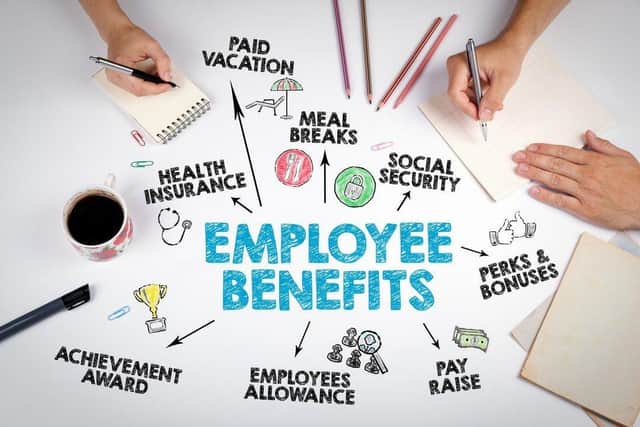

A YouGov survey of over1000 people and 500 HR decision makers for people management and employee wellbeing accreditation organisation Investors In People (IIP), found employees choose long term fundamentals such as supportive management, rewards and recognition and flexible working above wellness perks when it comes to job satisfaction.
Despite a drive by some employers to encourage people back into offices after Covid, more than 90% of employees who are offered flexible working say that flexibility is the biggest driver of well-being. Additionally, almost 7 in 10 (68%) of employees who are offered flexible working say that they use it often.
The survey showed employees do not rate the effectiveness of most wellness initiatives highly. For example, only 27% of employees see health and wellness apps as effective in improving their wellbeing and only 25% think stress management workshops are effective.
And while 72% of HR decision makers in businesses that offer gym memberships believe that employees find it valuable, only 41% of employees who are offered a gym membership find it valuable, and a third (33%) see it as not valuable. Additionally, almost six out of ten of employees (59%) say they have never used their gym memberships.
Other key findings include:
- Employees are not using wellness programmes – 59% of employees who were offered a gym membership said they never use it, 49% said that they never use stress management workshops and 47% said that they never use health and wellness apps.
- While HR decision makers say their organisation is offering a wide range of wellness initiatives, employees are less likely to say their employer offers these interventions. This suggests a low level of awareness on the part of employees.
- The most important drivers of job satisfaction to employees are seen as fundamentals – supportive management, open communication and flexible working. These are rated as much more important to job satisfaction than wellness initiatives like fitness memberships, classes and apps, office health and nutrition programmes and stress management workshops.
According to employees, the most valued, effective and well used wellness initiative is flexible working. 90% of employees that are offered flexible working see it as a valuable health and well-being initiative, 83% see flexible working as effective in improving their well-being and 68% say they use flexible working very or fairly often.
This comes as pressure has intensified from some larger businesses to see staff fully return to office but a report earlier this year by HR advisers Gartner suggested that high performers may feel especially resentful about return to office mandates, seeing them as a signal of mistrust from management.
Paul Devoy, chief executive of IIP said wellness perks had their place but warned that in what remains a competitive job market, that employers who chose them first might struggle to retain or recruit staff.
“When it comes to wellbeing at work, employees would choose general improvements in workplace culture over reactive wellness interventions,” he said.
“If employers continue to insist on focusing on the symptoms (stress management workshops) over the root cause (unsustainable workload, poor management or lack of flexibility), they are unlikely to improve employee wellbeing.
“That's not to say that the more tangible wellness benefits are pointless – they are still used and valued by many employees – but they must be underpinned by a strong culture of wellbeing and a holistic wellbeing.”
IIP has produced a White Paper, ‘When the Perks Don’t Work – the true value in a culture of well-being’ and hosted a ‘Make Work Better’ conference on September 10 in London to launch it.