
Northampton School for Girls brings leading voices together for major conference on women and girls' safety
Northampton School for Girls has brought together internationally recognised campaigners, leading specialists and representatives from organisations across Northamptonshire in a major conference aimed at strengthening the collective response to violence and abuse affecting women and girls.


Held on Thursday 15 October at the school's Spinney Theatre, Every Woman, Every Girl: Recognising Harm, Building Safety brought together professionals from education, policing, health, local government, businesses and specialist support services.
The conference sought to move beyond raising awareness, examining how organisations can work more effectively together to recognise harm, strengthen prevention and improve support for women and young people.
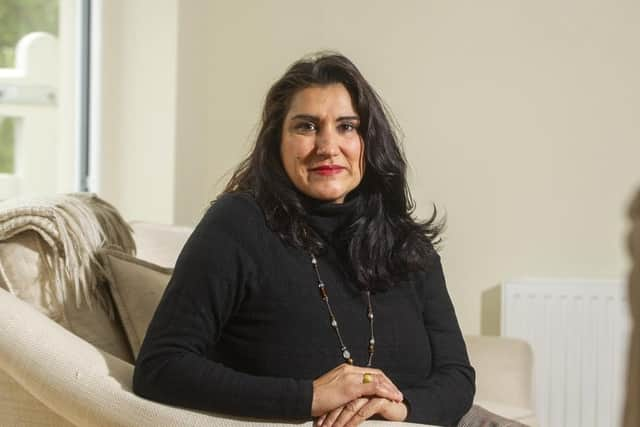
Among the speakers were internationally recognised campaigners Laura Bates, founder of the Everyday Sexism Project, and Dame Jasvinder Sanghera, founder of Karma Nirvana, whose work has helped bring national and international attention to violence against women and girls. They were joined by specialists including Caroline Strawson, Beth Warren and Monica Bhogal, representative of the Schools Consent Project, bringing perspectives on domestic abuse, coercive control, consent, safeguarding and the experiences of young people. The programme also featured contributions from local organisations and a panel discussion involving representatives from specialist services, including Northamptonshire domestic abuse charity CEO Christine Morgan and Danielle Stone, Northamptonshire Police, Fire and Crime Commissioner. Together, the speakers explored the complex and often interconnected nature of the challenges facing women and girls, drawing on professional expertise, lived experience and frontline practice.
For Northampton School for Girls, the decision to host the conference reflected a wider commitment to ensuring that the experiences, safety and opportunities of girls and young women remain central to conversations about education and community responsibility.
Opening the event, Headteacher Cristina Taboada-Naya reflected on the importance of bringing different professional perspectives together.
"There is a considerable difference between knowing the statistics and hearing directly from those whose professional lives are dedicated to confronting these issues. When we bring that expertise together, we begin to understand more clearly how these challenges intersect, where opportunities for intervention exist and, importantly, where we need to work more effectively together. The landscape remains deeply concerning. We cannot be satisfied simply with recognising the problems. We have a responsibility to consider what we can do differently."
The conference addressed issues including the identification of harm, coercive control, domestic abuse, consent, online harms, prevention and early intervention. The presence of representatives from different sectors provided an opportunity to examine how knowledge, professional practice and support arrangements can be better connected, particularly where individuals may come into contact with several services.
Older students were also among those attending, bringing an important dimension to discussions about the experiences and safety of young people.
Mrs Taboada-Naya said the school's commitment to the issue extended beyond the conference itself.
"We want more for our girls and young people. We cannot accept a society in which violence, abuse and inequality continue to limit their lives or their opportunities. Education has a vital role to play, but meaningful progress depends on organisations working together, sharing expertise and accepting a collective responsibility for change."
The school intends to continue to build on the relationships and expertise brought together through the event, exploring opportunities for further conferences, workshops and professional training. A particular priority will be strengthening collaboration between organisations and considering how practical approaches and shared frameworks could support the earlier identification of coercive control, domestic abuse and other forms of harm.
There is also an ambition to develop training opportunities that draw on the considerable specialist knowledge represented at the conference, helping professionals recognise concerns, respond appropriately and better support young people.
Mrs Taboada-Naya added:
"The value of bringing so much expertise together must extend beyond a single day. We have an opportunity to build on the connections made, challenge how we work and develop practical approaches that strengthen prevention and support. Our intention is to take those conversations forward through further collaboration, workshops and training. We want to contribute to a more joined-up response across Northamptonshire, one that makes a tangible difference to the experiences and safety of women and girls."
Northampton School for Girls will now seek to develop the connections established through Every Woman, Every Girl, working with partners to explore further opportunities for shared learning, professional development and coordinated action.
The ambition is to ensure that the expertise brought together at the conference becomes a foundation for continued work to improve the safety and opportunities of women and girls across Northamptonshire.