
Northampton AI hospital consultation under way to shed 100 jobs in a 'controlled and compassionate way' avoiding redundancies
A consultation is under way to shed 100 jobs at the hospital trust that manages Northampton General Hospital (NGH) as the introduction of AI replaces administration and secretarial roles.
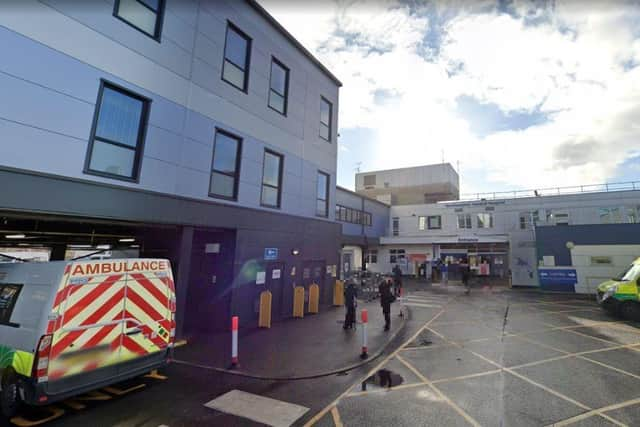
The jobs are being lost following a successful AI trial by the University Hospitals of Northamptonshire (UHN) group which manages KGH and Northampton General Hospital (NGH).
UHN will introduce two new AI systems – one for doctors to write up consultation notes and send out records and letters, and the other to manage appointment bookings using AI to call and receive calls from patients.

But the new systems mean that humans who have been carrying out the admin tasks are no longer needed with the Mutually Agreed Resignation Scheme (MARS) being introduced this week with a 45-day consultation period starting on Thursday September 24.
UHN’s managing director, Julie Hogg, said: “On September 22, we initiated a Mutually Agreed Resignation Scheme for some colleagues across our hospitals.
“This voluntary scheme is designed to help reduce our workforce size in a controlled and compassionate way, avoiding the need for compulsory redundancies.
“It will assist us in creating space to redesign services we offer without compromising patient care or safety, service continuity, professional leadership or workforce sustainability.”
To qualify for consideration under MARS staff must hold permanent positions or be on a fixed term contract at KGH or NGH, have at least 12 months continuous NHS service and not already be under notice via another HR process.
Staff have been told that UHN may consider some corporate and/or support clinical roles on a ‘case-by-case basis’.
UHN will be introducing Ambient Voice Technology across the hospitals this autumn to help clinicians spend more time ‘focused on conversations with patients and less time on administrative tasks’. Some administrative roles could be affected by proposed workforce changes but no final decisions have been made with a formal consultation process staff and trade union representatives underway from Thursday September 24.
Julie Hogg said: “We are consulting with colleagues about proposed changes to our workforce, which we believe will allow us to speed-up and improve the way we answer patient phone calls, deliver clinical letters to patients and GPs, thereby providing more timely access to patient care.
“If the proposals go ahead we will be reducing the size of our teams, however, much of this will be through removing vacancies – there will not be 100 redundancies.
“By doing this work we are addressing concerns raised by patients of finding it difficult to contact hospital departments to get the information they need or to change things like appointments.
“These changes are designed to make that process easier for patients, and to get them directed to the right person to answer their question quickly.
“In many of our services, patients and their GPs have been waiting many weeks for letters to be typed and sent. We aim to enhance patient experience by ensuring that patients receive letters and information far more quickly following their appointments. Our plan is to use AI tools to support this process but colleagues will be involved, and as always, the consultant will sign off their letters.
“To prepare for the consultation, we have considered the roles needed to deliver the new model and developed draft job descriptions, which we will consult on.
"We expect the majority of individuals colleagues will not see any alteration to their pay rate banding through the proposed changes.
“Where roles do change, existing policies on pay protection and redeployment will be applied. While the titles of some roles may change colleagues will still have access to support of secretaries in the proposed new model.”
Employees whose roles are at risk will be given priority access to suitable alternative vacancies across both hospital sites.
The proposed AI technologies are Accurx Scribe, which uses Ambient Voice Technology (AVT) – also known as Ambient AI. AVT listens to a clinical consultation and then, using generative AI, transcribes and creates documents such as a post-consultation letters or notes for medical records.
The system can also draft clinical letters automatically, using ‘trust-approved templates’ allowing medics to review and approve the draft – jobs that would traditionally be done by admin staff.
An ‘automated booking solution’ tool will use AI to call patients and offer them a choice of appointment times. It also offers an inbound call if patients need to change their appointments and can also answer generic questions such as ‘where should I park?’, ‘are there any buses that stop at the hospital?’
Initially the booking technology will be used in outpatients, but it will then be rolled out for theatre and diagnostic bookings.
Managers say benefits to the hospitals will be letters being sent to patients and GPs more quickly, fewer missed appointments and lower costs.
The restructuring is expected to be finished by winter 2027.