
Northampton residents asked what town should look like in 20 years as university launches major discussions

Residents, employers and community leaders have joined the University of Northampton for the first event in a national initiative examining how universities can help tackle local challenges over the next two decades.
Residents and community leaders have been asked what Northamptonshire should look like in 20 years as the University of Northampton hosts the first event in a national project examining the future role of universities.
The gathering brought together employers, students, educators, council representatives, public service leaders and community organisations to discuss the county's priorities and how the university could help address them.
Jobs, skills, health, wellbeing, economic growth and civic pride were among the subjects raised during the event, organised with Universities UK.
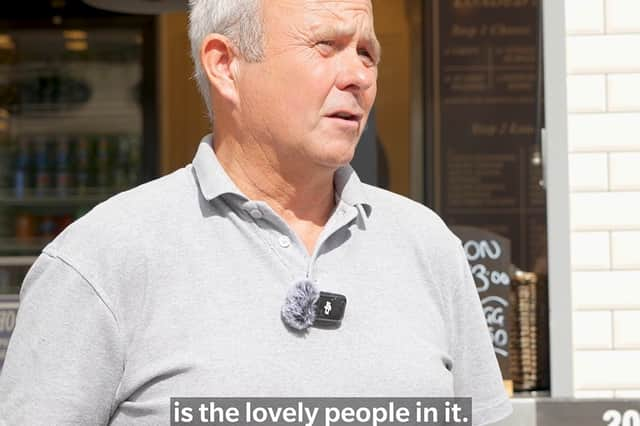

The meeting marked the launch of Future Communities, a series of conversations across the country designed to give local people a say in how universities support the places they serve.
It forms part of Universities UK's wider Future Universities programme, which is considering how higher education should respond to economic, technological and social changes over the coming decades.
Participants were invited to consider Northamptonshire's strengths, the challenges facing its communities and opportunities for local organisations to work together.
Professor Malcolm Press, president of Universities UK, said universities needed to listen closely to the people living and working around them.
He said: "Future Communities is about making sure local voices are central to the conversation about their own future and the future of higher education."
Professor Press said the range of perspectives shared in Northamptonshire would help shape the organisation's thinking about universities' future contribution to society.
Becky Bradshaw, interim vice chancellor at the University of Northampton, said the discussion was intended to identify where the institution could make a difference and where greater collaboration was needed.
She said: "This event has been about listening. We brought together people with very different experiences of Northamptonshire because we wanted to hear what matters to them and what they want the future of our communities to look like."
Ms Bradshaw said the feedback would provide an opportunity to examine the university's role and identify areas requiring further work.
Universities UK said the Northamptonshire discussion would feed into its national programme and inform future conversations with policymakers, employers, universities and local communities.
Further events are planned across the UK in the coming months, involving more universities and their communities.
The organisers have not announced specific local projects arising from the Northamptonshire meeting, which was intended to gather views rather than agree a programme of action.