
Northampton General Hospital fined after doctors breached safe working hours 360 times in four months
University Hospital Northampton (UHN) – which oversees NGH – says the number of reports shows the success of the monitoring system and its ‘proactive’ approach
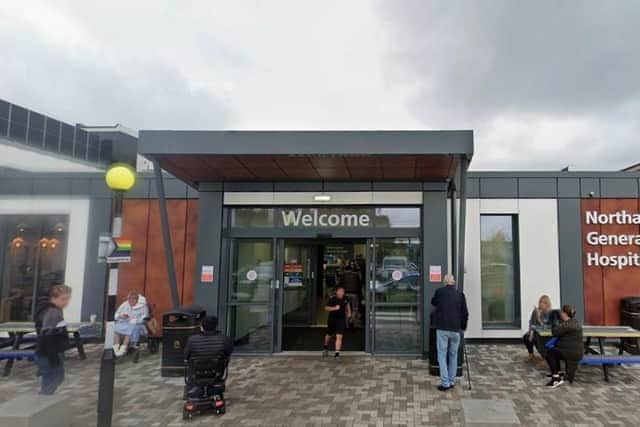
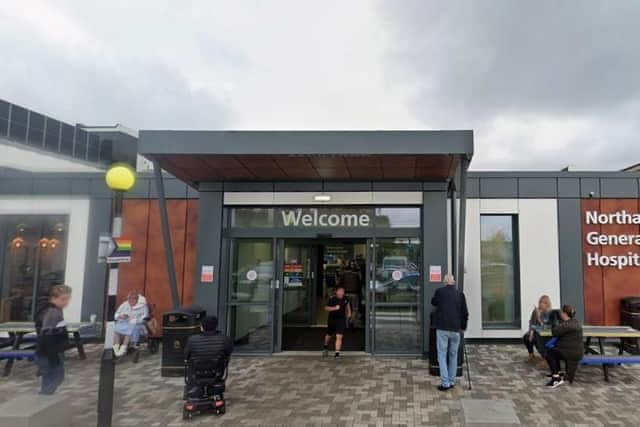
Doctors at Northampton General Hospital breached safe working hours 360 times in four months.

Reports are issued when junior doctors work beyond rostered hours, experience unsafe workloads or miss breaks.
The 360 reports were issued between April and August and saw doctors raise concerns mostly about workload pressures causing late finishes, and difficulty meeting break requirements.
Nearly 150 of the reports were submitted by newly qualified Foundation Year 1 doctors, and general medicine was the speciality where most reports were received.
Financial penalties are receieved for the most severe incidents, including where the 48-hour weekly working average is breached, when more than 72 hours are worked in seven days and when the minimum 11-hour rest period is reduced to eight hours or less.
Northampton General Hospital (NGH) received 32 fines in this four month period, totalling £7,600.
But University Hospital Northampton (UHN) – which oversees NGH – says the number of reports shows the success of the system and its ‘proactive’ approach.
In the same reporting period, Kettering General Hospital logged 110 reports.
Paula Kirkpatrick, University Hospital Northampton chief people officer, said: “The trust takes the issue of doctors’ safe working hours seriously and monitors hours closely to identify concerns early and take meaningful action to improve working conditions and patient safety.
“The number of exception reports submitted reflects our proactive approach to encouraging doctors to raise concerns about working hours, rest requirements, and training opportunities.
“Rather than indicating poorer performance, higher reporting rates demonstrate that doctors feel empowered and supported to speak up, and that the exception reporting system is both accessible and actively used.
“Where issues are raised, concerns are escalated to the relevant departments leading to reviews of working patterns and the implementation of rota changes designed to improve compliance and support staff wellbeing.
“Some breaches also occur when doctors remain beyond the scheduled end of their shifts to care for seriously unwell patients. These instances often reflect clinicians placing patient safety and continuity of care at the forefront of their practice. “
Financial penalities are issued by the NHS’ Guardians of Safe Working Initiative, which was set up in 2016 to police the safe working limits of resident doctors.
The money is kept internally and overseen by one of NGH’s deputy medical directors. It is used to support the welfare, wellbeing and development of resident doctors.
UHN says discussions are currently ongoing on how the fund can be invested to best benefit resident doctors.