
Northamptonshire Healthcare NHS Foundation Trust urges people with diabetes to check their feet daily and attend screenings
Northamptonshire Healthcare NHS Foundation Trust (NHFT) is reminding people living with diabetes or high‑risk foot conditions to take simple daily steps to protect their feet and prevent serious complications.
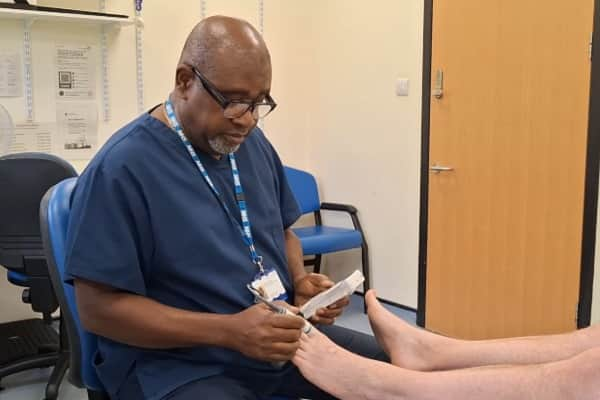

Diabetes can reduce feeling in the feet and affect blood flow, meaning small problems such as blisters, cuts or cracked skin can quickly develop into infections or, in severe cases, lead to amputation if not treated early.
NHFT’s Diabetes and High-Risk Foot Service provides specialist podiatry care to prevent, diagnose and manage complex foot conditions. The team supports patients across Northamptonshire, helping reduce the risk of ulceration, infection and long‑term disability.
Changes in the feet can be slow and easy to miss. NHFT is encouraging all patients with diabetes to attend their foot screening appointments, which helps identify risk levels and spot problems before they become serious.
People are also advised to check their feet every day, looking for:
Cuts, cracks or blisters
New redness or swelling
Areas that feel hot or painful
Changes in skin colour
Wearing well-fitting, supportive footwear is one of the most effective ways to protect your feet if you have diabetes. NHFT’s Specialist Footwear Podiatrist, Andrea Friel said:
“Good footwear should fit well, support your feet and avoid pressure points. It’s really important that the shoes are wide enough, long enough and deep enough for your particular foot shape. It’s also good to have fastenings such as Velcro, a lace or a zip that will help to hold your foot in the correct position to avoid any rubbing.”
Many people with diabetes develop neuropathy, which is when nerves in the feet and lower legs don’t work as well as they should. Symptoms may include tingling, burning pains, numbness or feet that feel “different”. Some people experience no symptoms at all, meaning carrying out daily checks is even more important.
NHFT is urging people to seek medical help immediately if they notice:
A foot that becomes red, warm or swollen
A change in foot shape
A cut, blister or wound that isn’t healing
Signs of infection (redness, swelling, discharge or a bad smell)
Skin colour changes
Severe pain, or a foot that becomes cold or numb
These may be signs of infection, poor blood flow or Charcot foot, all of which require urgent specialist care.
A type 2 diabetic patient, David, recently shared his experience with the service:
“The first things I noticed was blistering and ulcerations. My own ignorance made me think I knew better and I could put off getting it checked. But then it led to bigger problems and I realised, I need to address this. I would say to anybody that’s diabetic and doesn’t check your feet: check your feet. I’ve been through really bad times, I’ve been hospitalised. Get it seen to as soon as you can. The care I’ve had from the NHFT team has made a massive difference. Diabetic foot care is crucial.”
NHFT Diabetes Specialist Podiatrist Rebecca Beck said:
“Make sure you know your level of risk, attend your annual check (unless you’re at high risk and need to be seen sooner) and follow the advice of your podiatrist. The bottom-line is - don’t ignore problems. The sooner you come to see us, the sooner we can help you heal and hopefully avoid further complications.”
Where to get help
Anyone who notices a wound, redness, swelling, a hot foot or signs of infection should contact their GP, podiatrist or diabetic foot team straight away.
Urgent diabetic foot concerns:
North Northamptonshire: Kettering General Hospital call 01536 492207
West Northamptonshire: Northampton General Hospital, Battle House call 01604 545422
Seek urgent medical attention at your nearest Accident and Emergency department if your foot suddenly becomes red or swollen, changes in skin colour, or becomes more painful – especially if you also feel generally unwell.
Simple daily checks and good foot care can make a significant difference, helping people stay active, independent and healthy.
Find out more on the NHFT Diabetic and High Risk Foot webpage: www.nhft.nhs.uk/foot-service