
Black Men’s Health Collaborative (BMHC)
BAK UP CIC and UAA have officially launched the Black Men’s Health Collaborative (BMHC), a new Northamptonshire-wide initiative bringing Black men, community organisations, researchers, health professionals and wider partners together to tackle persistent health inequalities and create lasting system change.
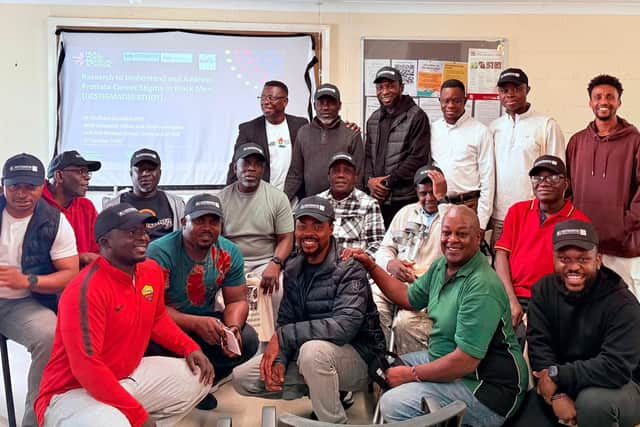

The launch attracted a strong and encouraging turnout from Black men and community stakeholders, demonstrating both the need for the initiative and the appetite for safe, trusted spaces where men can speak openly about their health, wellbeing and experiences of services.
The event combined the launch of BMHC with an important conversation around destigmatising prostate cancer among Black men, creating an opportunity to increase awareness, challenge stigma and encourage earlier conversations about health.
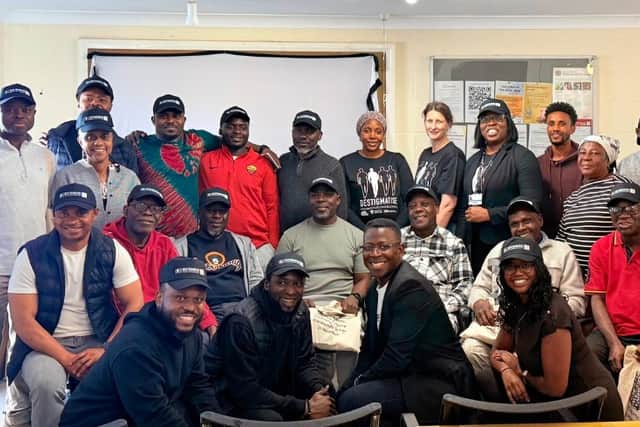
Colleagues from the University of Hull, including Dr Olufikayo Bamidele, Ms Kathryn R Harvey and Kafayat Aminu, joined the event. Dr Bamidele spoke about prostate cancer and the importance of addressing stigma and inequalities affecting Black men.
The event reinforced a simple but important message - health inequalities cannot be addressed effectively without the voices, experiences and leadership of the communities most affected.
From conversation to system change
BAK UP CIC's CEO, Prince Caesar, spoke about the importance of the Research Engagement Network (REN) and why Black communities must have meaningful opportunities to understand, influence and participate in health and care research.
The discussion highlighted the need to move beyond communities simply being consulted. BMHC aims to create pathways through which Black men and men in general can help identify research priorities, shape services and interventions, participate in research and contribute to decisions affecting their health.
The CEO subsequently officially launched the Black Men’s Health Collaborative, setting out an ambition for it to become a sustainable countywide platform connecting community voice with research, prevention, early intervention and health-system improvement.
Anne Wankiiri, Director of UAA, encouraged Black men to speak openly about the real issues affecting their lives and wellbeing. She emphasised that creating trusted environments for honest conversations can help organisations and health systems understand what is happening beneath headline statistics and develop solutions informed by lived experience.
Why the Black Men’s Health Collaborative matters
Black men do face interconnected barriers affecting their physical and mental health, including stigma, mistrust, cultural barriers, difficulties accessing services, limited representation in research and reluctance to discuss sensitive health concerns.
BMHC has therefore been established as more than a series of events. It is intended to become a community-to-system bridge through which Black men can access trusted information and support while simultaneously influencing research, service design and wider decision-making.
The Collaborative will develop work around:
Mental health and emotional wellbeing, including creating safe spaces for men to talk openly
Prostate cancer awareness, prevention and reducing stigma around seeking help
Greater participation and representation of Black men in health and care research
Community-based health education and prevention
Earlier engagement with health and wellbeing services
Tackling mistrust and barriers to accessing services
Understanding wider determinants including employment, financial pressures, housing, isolation and social circumstances
Developing Black male community health champions and REN ambassadors
Strengthening referral pathways between communities, VCFSE organisations, primary care and specialist services
Gathering lived-experience evidence to inform commissioning, research and service improvement; and creating opportunities for Black men themselves to co-design the solutions intended to support them.
A call for partnership and investment
BAK UP CIC and UAA are now inviting organisations across Northamptonshire and beyond to become part of the next stage of the Collaborative.
The partners are particularly keen to engage with the NHS, Integrated Care Board, NHS trusts, Primary Care Networks, local authorities, universities, research organisations, public health teams, mental health services, cancer organisations, VCFSE partners, businesses, charitable trusts and national funders.
Investment would enable BMHC to move from a successful launch into a sustainable programme of community outreach, health conversations, peer support, research engagement, preventative interventions, referral pathways, training and community-led evidence gathering.
The ambition is to develop a model that can demonstrate measurable improvements including increased health awareness, earlier help-seeking, improved engagement with appropriate services, increased participation in research, reduced stigma, stronger community trust and greater influence of Black men's lived experiences on the design and delivery of services.
Closing the inequality gap requires long-term commitment
The successful launch demonstrated what can happen when community organisations, researchers and Black men come together in an environment built around trust.
However, BAK UP CIC and UAA believe that addressing longstanding inequalities requires more than one-off engagement. The next phase will focus on building a sustainable Northamptonshire Black Men’s Health Collaborative programme, supported by strategic partnerships and multi-year investment.
Prince Caesar, CEO of BAK UP CIC, said:
“The turnout and conversations at this launch showed why the Black Men’s Health Collaborative is needed. We want Black men to have safe and trusted spaces where they can talk openly about the issues affecting their health and wellbeing, but we also want those conversations to lead somewhere.
This Collaborative is about connecting lived experience with research, prevention, services and decision-making. We want Black men to be partners in creating solutions, rather than simply being described through statistics about inequality.
We are inviting commissioners, funders, universities, health organisations, businesses and community partners to work with us and invest in developing this into a sustainable countywide programme capable of delivering measurable change.”
Anne Wankiiri, Director of UAA, added:
"We need to create spaces where Black men feel able to speak honestly about what they are experiencing. When men are able to open up about the real issues affecting them, we can begin to understand barriers, challenge stigma and develop responses that genuinely reflect their needs. Those conversations must then be heard by the organisations and systems capable of creating change."
An invitation to Northamptonshire
BAK UP CIC and UAA are calling on partners across Northamptonshire to help build the next phase of BMHC. The opportunity is to create a coordinated, community-led approach that combines trusted engagement, prevention, research, early intervention, referral, lived experience and system influence.
One successful launch. A much bigger ambition.
The launch of the Black Men’s Health Collaborative marks the beginning of a longer journey.
BAK UP CIC and UAA now want to work with Northamptonshire's communities, NHS organisations, local government, researchers, universities, businesses and funders to turn the energy generated at the launch into sustained action. The message from the day was clear: Black men must be heard, inequalities must be addressed, and community conversations must lead to real system change.