
Cold snap warning: 270,000 drivers break down every January - and most never saw it coming (aff)


This article contains affiliate links. We may earn a small commission on items purchased through this article, but that does not affect our editorial judgement.
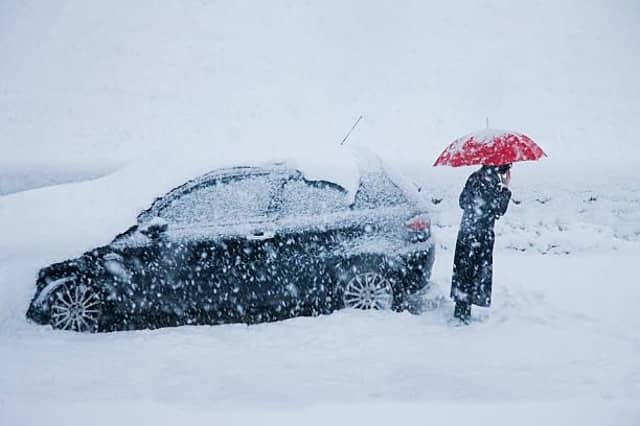
A cold snap is enough to push already stressed cars over the edge — and AA figures reveal just how brutal winter driving can be for unprepared motorists
Colder weather is on the way again, and during these winter cold snaps the number of car breakdowns on UK roads climbs sharply.
Data from The AA highlights just how severe the seasonal surge can be; January and February are reliably the busiest months for roadside callouts, with the AA responding to more than 270,000 breakdowns in January and around 255,000 in February in an average year.
Cold conditions place extra stress on vehicles, particularly on parts that are already working near their limits, which is why winter continues to be the toughest time of year for motorists.
Flat batteries remain the most common cause of winter breakdowns. Lower temperatures reduce a battery’s performance, while cold starts demand more power from the engine, meaning ageing or weakened batteries are far more likely to fail.

The AA also sees an increase in non-starting engines and tyre-related problems during colder months, as dropping temperatures reduce tyre pressure and winter road conditions raise the risk of damage.
Even so, many drivers still skip basic seasonal checks, with AA research suggesting only a small proportion regularly test their battery before the cold weather arrives.
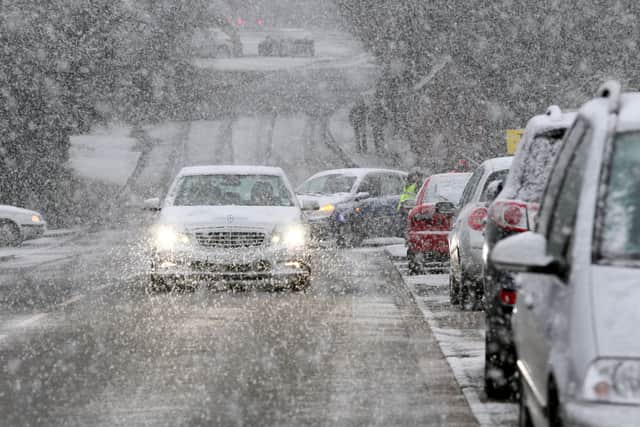
Breaking down in winter isn’t just inconvenient; it can be risky, particularly in freezing temperatures or poor visibility. If a vehicle does fail, getting to a safe position is the first priority, using hazard lights and indicators to alert other road users.
Calling roadside assistance promptly is essential, and being able to share an accurate location can help reduce waiting times, especially in more remote areas.
The AA now offers an app-based system that simplifies the process, using your phone’s GPS to pinpoint your location for patrols.
Being prepared can make a huge difference if the worst does happen. Carrying a fully charged phone, warm clothing, a torch and basic emergency supplies can help drivers stay safe and comfortable while waiting for assistance.
Simple preventative measures can also significantly reduce the chances of a breakdown, including checking battery condition, keeping tyres correctly inflated, topping up fluids such as coolant and screen wash, and ensuring your vehicle is properly serviced before winter arrives.
To see The AA’s app in action and check personalised prices for breakdown cover, click here.

If you’ve ever broken down and had no idea how to explain where you are, the AA app quietly fixes that. It can share your exact GPS location with a patrol so they know where to head without a long phone call. The rest of the app is straightforward, with traffic updates 🚦, fuel and charger info ⛽, and service reminders 🔧. Membership starts from £5.49 a month, though the exact price varies depending on your details.
Check your personalised quote here,

Allica Bank is changing how UK businesses make their money work harder. Its Business Rewards Account offers high interest on idle cash and up to 1.5% cashback on everyday spending - without the need for risky investments or complex setups. With a fully digital platform, seamless integration with Sage or Xero, and dedicated relationship managers, it’s a smarter way to manage your funds and boost your bottom line.