
Why you still need SPF in autumn, even when the skies are grey - and the best products to choose



This article contains affiliate links. We may earn a small commission on items purchased through this article, but that does not affect our editorial judgement.
Summer may be over, but experts say UVA exposure doesn’t disappear with the sunshine. Here’s how to adapt your SPF skincare routine for autumn.
A cloudy sky might feel like a sign that summer sun protection can be packed away, but experts warn that UVA exposure doesn’t disappear when the temperatures drop.
As summer dresses make way for knitwear and coats, it may mean there may be fewer sunny days and less time spent outdoors, but that doesn’t mean your skin is suddenly free from UV exposure.
“It’s easy to think that once summer ends, the risk does too, but UVA rays don’t work that way,” says suncare expert and managing director of Ultrasun, Abi Cleeve.
Cloud cover isn’t a reliable indicator of UV levels either. Dermatological doctor Dr Nora Jaafar explains: “Temperature isn’t a measure of UV exposure. UVB, the wavelength most associated with sunburn, drops significantly in the UK during autumn, but UVA is present year-round, penetrates cloud and glass, and reaches deeper into the skin.
“It contributes to collagen breakdown, premature ageing and pigmentation, so you can still accumulate UVA exposure through everyday activities such as commuting, walking outside or sitting beside a window.”
That means SPF still has a place in your daily routine. However, as the weather changes, you may want to reconsider the type of formula you’re reaching for.
1. Choose an SPF that does more
The lightweight, water-resistant sunscreen that worked perfectly for summer holidays may not be the best match for your skin once September and October arrives.
Rather than simply looking for a formula that protects against the sun, choose an SPF with ingredients aimed at some of the concerns that become more apparent after summer.
“By autumn, pigmentation, both existing and new, is usually more visible after a summer of UV exposure, so a formula with pigmentation mitigators makes a lot of sense,” Cleeve explains.
She also recommends considering hydration and ingredients that help support the skin barrier as temperatures and humidity levels change.
Jaafar agrees that it’s often the texture and formulation, rather than the level of SPF, that needs adapting.
“In summer, lightweight fluids, gels and oil-control or water-resistant formulas tend to work well because we’re hotter and sweating more,” she says. “In autumn, you might switch to a lotion or cream SPF with more moisturising ingredients, particularly if your skin starts feeling tight or dry.”
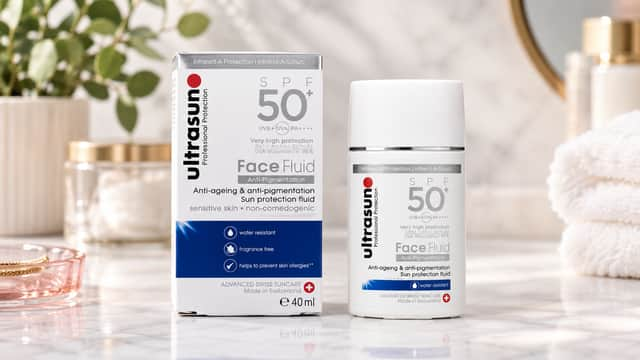
Try Ultrasun Anti-Pigmentation Face Fluid SPF50+, £29 from Boots
2. Take extra care if you’re bringing back your actives
Autumn is often when skincare routines become a little more ambitious. As the intensity of summer sunshine starts to ease, some people choose to reintroduce retinoids, exfoliating acids or targeted pigmentation treatments.
But if you’re increasing your use of active ingredients, maintaining good sun protection becomes even more important.
“Autumn is often when people return to more targeted treatments, and it’s a really good time to consider those,” says Cleeve. “But protecting the results of that work is something to think about, not just the treatment itself.”
She recommends combining targeted treatments with very high UVA and UVB protection. “It makes sense that when skin is being proactively disrupted in order to renew itself, its defences need reinforcing at the same time.”
Your choice of SPF texture can also make a difference if your actives leave your skin feeling dry or sensitive.
“If your actives are causing dryness or sensitivity, opt for a hydrating cream or lotion SPF rather than a very mattifying formula,” Jaafar advises.
So while autumn may be the perfect time to rethink the rest of your skincare routine, SPF is one summer habit that’s worth keeping. The difference is that you may want your sunscreen to offer a little more hydration, comfort or targeted skincare support as the seasons change.
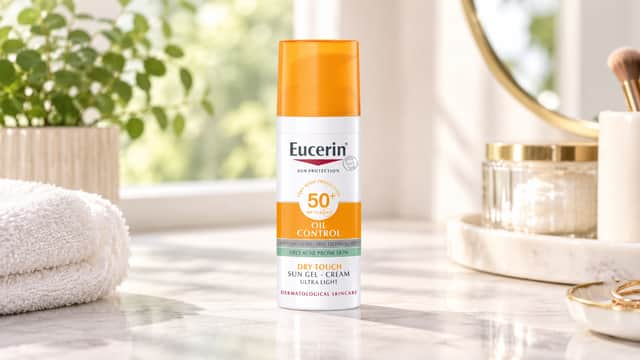
Try Eucerin Sun Photoaging Control Sun Fluid SPF50, £17.25 (was £23) at LookFantastic at the time of writing.
3. Look for a more hydrating formula
Your summer sunscreen may have been chosen for its ability to keep shine at bay and survive hot, sweaty days, but autumn can bring a very different set of skincare challenges.
Colder air, lower humidity and indoor heating can all contribute to dryness, so your SPF can become another opportunity to add moisture to your routine.
“With the right ingredients, an SPF doesn’t need to feel heavy to do more,” Cleeve says. “It can stay light and potent, a good base for make-up.”
Rather than automatically opting for the richest formula you can find, Jaafar recommends paying attention to the ingredients.
“Colder air, lower humidity and central heating can increase water loss,” she explains. “So look for humectants like glycerin and hyaluronic acid alongside barrier-supporting ingredients such as ceramides or squalane.”
If you have oily or acne-prone skin, however, autumn doesn’t necessarily mean abandoning lightweight textures.
“Cream or lotion SPFs tend to suit drier skin, while oily or acne-prone skin may prefer a hydrating, non-comedogenic gel-cream,” Jaafar says.
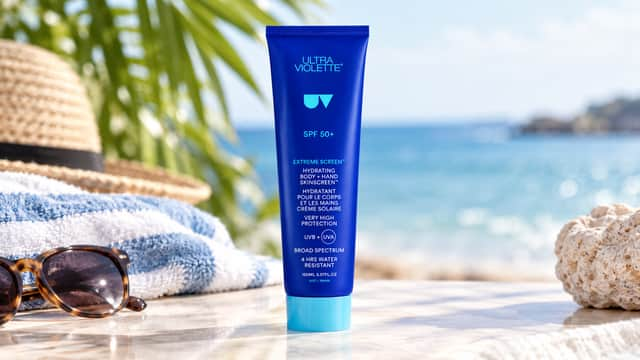
Try Ultra Violette Supreme Screen Hydrating Facial Skinscreen SPF 50+, £27.50 (was £34), from Cult Beauty at the time of writing.
4. A tinted SPF could simplify your morning routine
If your autumn make-up routine is all about keeping things quick and easy, a tinted SPF could be worth considering.
These formulas combine sun protection with a touch of colour, giving skin some coverage without necessarily requiring as many layers of skincare and make-up.
There can be another benefit for people concerned about pigmentation, too.
“A tinted SPF with iron oxides can also be useful for pigmentation as it offers additional protection against visible light,” explains Jaafar.
She particularly recommends that people with melasma or pigmentation-prone skin consider a tinted SPF50 containing iron oxides.
The key is not to treat tinted sunscreen as a replacement for foundation and apply only a small amount. You still need to use enough product to achieve the protection stated on the packaging.
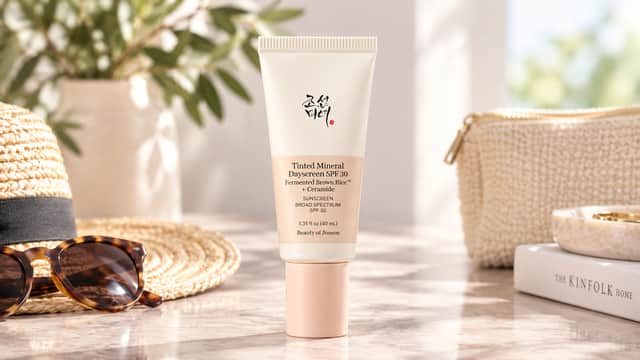
Try Beauty of Joseon Tinted Mineral Dayscreen SPF 30, £32.98 from Amazon.
5. Don’t assume you need to drop to SPF30
Grey skies and cooler temperatures can make SPF50 feel too much, but the difference between SPF30 and SPF50 isn’t simply about how long your sunscreen lasts.
Both offer high levels of protection, but SPF is primarily a measure of protection against UVB.
“If pigmentation is a skin concern,” Cleeve says, “and it’s a very common one, I’d always choose a 50.”
Broad-spectrum protection remains important, as SPF alone doesn’t give the complete picture when it comes to UVA protection.
“SPF30 filters around 97% of UVB, compared with around 98% for SPF50,” explains Jaafar. “Or put another way, SPF30 allows roughly 1/30 of UVB through versus 1/50 with SPF50.”
For everyday autumn exposure in the UK, SPF30 can be enough for many people, but Jaafar recommends considering SPF50 if you’re particularly prone to pigmentation.
“I favour SPF50 for pigmentation-prone skin, melasma, or anyone using pigmentation treatments,” she says.
- Please note that delivery charges may apply for all the products mentioned.

🏡✨ For 19p, you could be in with a chance of winning a £1.85 million dream home bundle in Lancashire, complete with five en-suite bedrooms, 1.77 acres, smart-home tech, a Gaggenau kitchen and every bit of furniture included.
🚗💨 The prize also comes with a black 2023 Range Rover D300, packed with luxury touches including a panoramic roof, Windsor leather, Meridian audio and a huge 13.1-inch touchscreen.
💷 Prefer the money? The winner can take the £1.3 million tax-free cash alternative instead, with the live draw set for Friday, July 31 at 9pm.