
Project starts on three Northampton lakes to improve biodiversity
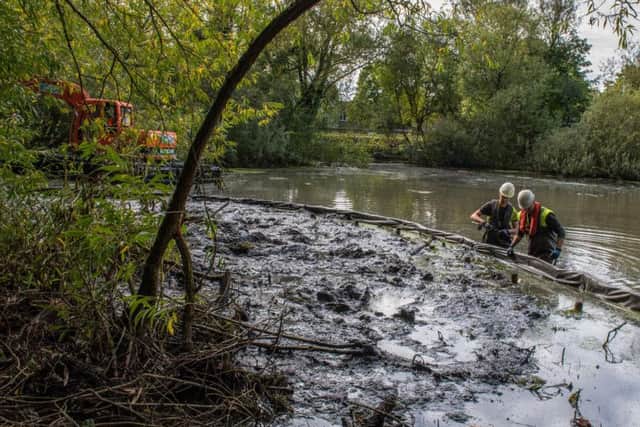
Dredging has started on three lakes in Northampton to create new wetland habitats, reed beds and islands for new wildlife.
In recent years people in the eastern side of Northampton have watched water levels drop and pollution rise at the three Billing Brook lakes in Lings, Lumbertubs and Thorplands.
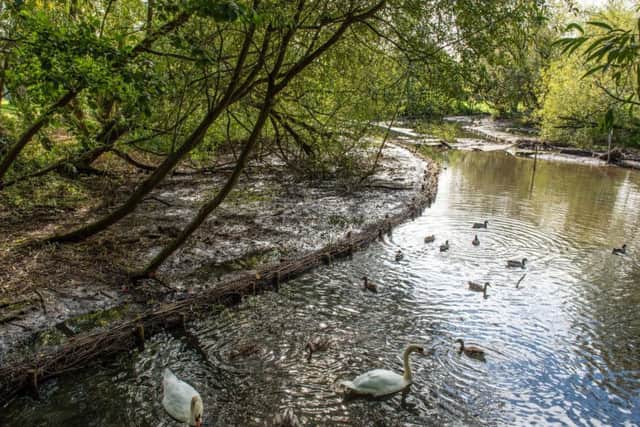

The lakes, which were once a place known for their picturesque scenery, have been previously strewn with old bicycles and litter but new funding has allowed for the lakes to be reformed to a beauty spot once again.
The new design for the lakes will make them deeper, narrower and faster flowing.
This will be achieved by dredging the three lakes and placing the silt behind barriers to create new wetland margins and islands, which will then be planted with wildflowers.
There will also be a reed bed at the top of Cygnet Lakes that will filter the water coming downstream from Kingfisher Lake.
The total cost of the makeover is about £400,000 which is being funded by Northampton Borough Council, the Environment Agency, local charity Growing Together, the National Lottery Community Fund and the Mick George Community Fund.
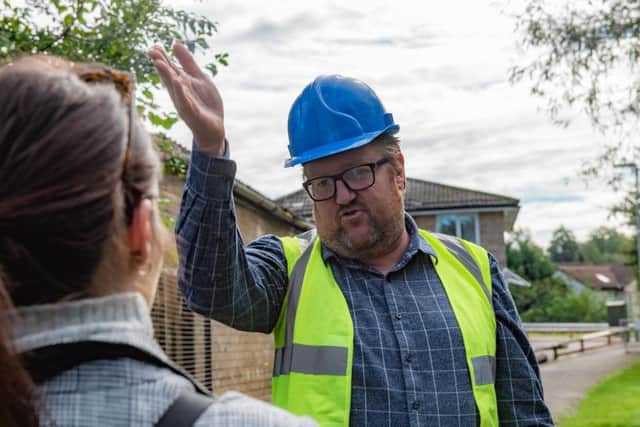
The construction work has been contracted to Ebsford Environmental and Nick Hartley said the team is excited to see the project kick start.
"Everybody remembers what these lakes used to be like and everybody would like to see these lakes look like they used to again," he said.
"They all understand that there is not an endless pot of money and there is only so much we can do but ultimately this project will create deeper water and will encourage more diversity.
"There will be more wild flowers and nature which will attract more insects, which more birds will feed on. This will help the fish population as well.
"All of those things should improve the biodiversity but also residents should be able to walk past this and see shopping trolleys replaced by native plants. Wheelie bins will be replaced by herons and that's what they want to see."