
West Northamptonshire needs up to 4,100 more accessible and adapted homes as ageing population grows

“Without a clear long-term approach, the gap between housing need and available provision will continue to widen” – West Northamptonshire Council's draft housing strategy
Thousands of additional accessible and adapted homes will be needed across Northampton and the wider area over the next decade as the number of residents aged 85 and over is projected to increase by nearly 60 per cent.
West Northamptonshire Council (WNC) has identified a need for between 3,100 and 4,100 additional accessible and adapted homes by 2037 as it prepares to meet the demands of a growing and ageing population.
The figures are revealed in the council's draft Supported and Specialist Housing Strategy 2027-2037, which has been published as part of a public consultation.
The number of West Northamptonshire residents aged 65 and over is projected to increase from approximately 78,400 in 2025 to 94,700 by 2035, while the number aged 85 and over is expected to rise from 9,900 to 15,800.

There are currently 1,806 older people receiving long-term support under the Care Act, including 783 in residential and nursing care and 890 receiving home care and community-based services.
Demand is projected to increase by around 23 per cent to 2,226 people by 2037.
The council wants to significantly increase the availability of Extra Care Housing, which enables residents to maintain their independence while having access to care and support when needed.
The strategy also proposes reviewing existing residential, sheltered and retirement housing provision and assessing opportunities to remodel suitable facilities.
The report states: “People should not have to move home simply because they are growing older.”
It identifies increasing the availability of accessible, adaptable and dementia-friendly housing as a key priority, alongside improving access to home adaptations and assistive technology.
The strategy also emphasises the importance of enabling older people to remain close to established support networks, including family and friends.
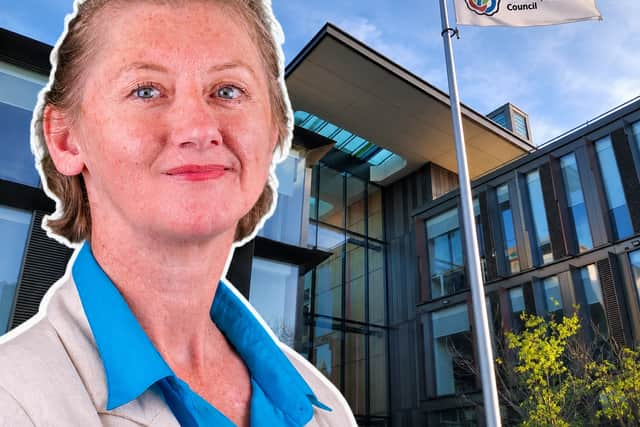
Councillor Laura Couse, cabinet member for adult care and public health, said: “Having access to the right home, with the right support in place, can make a life-changing difference to a person's independence, wellbeing and quality of life.”
Residents, carers, housing providers and community organisations are being encouraged to share their views on the proposals.
The consultation runs until midnight on Sunday, January 10, 2027, and residents can take part by visiting the council's website.
Feedback will be used to refine the strategy before it is presented to the council's cabinet for consideration and adoption in 2027.