
Serviced accommodation accused of being HMO in disguise in Northampton goes to appeal
Plans to retrospectively convert a property in Northampton into ‘serviced accommodation’ that was criticised for 'bypassing HMO regulations' has been taken to appeal
West Northamptonshire Council (WNC) rejected the conversion proposals for 105 Lea Road, Abington, at a planning committee meeting in January.
Officers recommended the plans be approved, but the scheme was called in to be discussed by Labour councillor Zoe Smith over fears it would operate like a House in Multiple Occuption (HMO).
Speaking at the meeting, Cllr Smith said the area was already “massively saturated” with properties that were not family-use, with a 28 per cent HMO density in a 50-metre radius. She said the fact that the conversion was not allowed to be seen as a HMO and subject to the council’s density limits was a “huge danger” and could set a precedent for future applications.
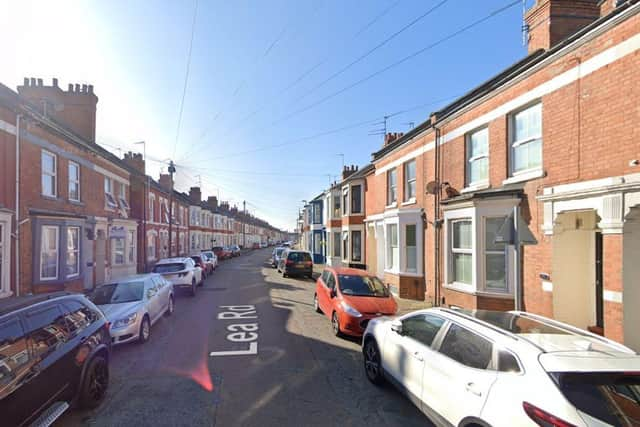

The proposal also received nine objections from neighbours and further complaints from Northampton Town Council. One person said: “Changing the designation from a hotel to serviced accommodation doesn’t change the fact that it’s an HMO in all but a name.”
A HMO is rented by individual rooms to unrelated tenants, whereas serviced accommodation is let as a whole property, often on a short-term basis. The applicant, RGC Property Solutions said the property would be used for “corporate companies and professional people that need to work in the area”.
“This service provides a safe and managed home-from-home, attracting professional people who are helping to develop the economy and infrastructure in Northampton,” it continued. “As they are working during the week they will not be partying or making noise. There will also be families relocating to Northampton who need temporary accommodation until they find somewhere long term to live.”
Refusal documents issued by WNC stated that the property is located within a “densely populated” residential area with HMOs and limited parking space. It considered that the proposal would further increase the demand for on street parking which “simply cannot be sustained” and have a “have a significant detrimental impact” on other nearby homes due to increased noise and disturbance.
Final comments from the council and the appellant are due at the beginning of April – a decision date for the appeal has not yet been set. If the appeal is successful the planning inspectorate will overturn the council’s refusal and grant the serviced accommodation approval.