
Reform councillor speaks out on ‘deep disappointment’ after stepping down from WNC cabinet role

A Reform councillor who has stepped down from her West Northamptonshire Council (WNC) cabinet role after just seven months says she is “deeply disappointed” by the circumstances that led to her decision.
The Leader of WNC, Councillor Mark Arnull, confirmed on Wednesday January 7 that fellow Reform councillor Kathryn Shaw has stepped down from the position of cabinet member for children, families and education.
The leader said: “I would like to thank Kathryn for her contributions to the children’s, families and education portfolio during the formative months of our new administration as we continue to progress our work in making our area the best place to live, work and thrive.”
Councillor Shaw, who still represents the Upton ward, released a statement on Thursday January 8.
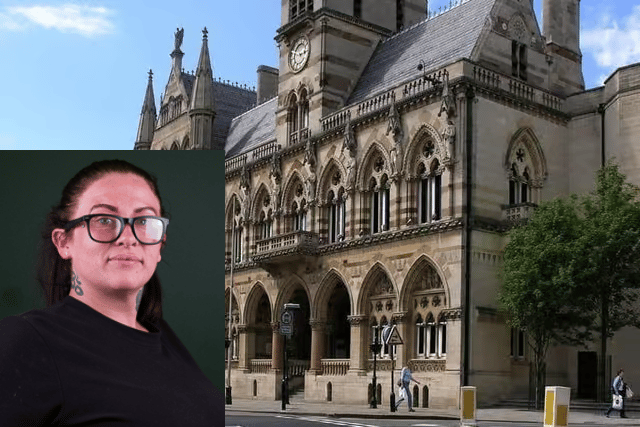

She said it had been a “deeply difficult decision” but one that she had made “with careful consideration and integrity”.
“My commitment to children and young people in West Northamptonshire is absolute," said Cllr Shaw. “That commitment comes from both my professional background and my personal values, and it will not change because of a change in role. I remain firmly focused on early intervention, safeguarding, and ensuring that children’s voices and needs are never secondary to politics.
“While I am disappointed by the circumstances that have led to this moment, I believe it is important to take a step back in order to continue advocating for children with clarity, independence, and integrity. I will continue to support families, officers, colleagues, and community partners, and I will continue to speak up for children wherever and however I can.
“This is not a step away from responsibility, it is a recommitment to the principles that brought me into public service in the first place.”
The position will be filled by Cllr Arnull on an interim basis until a new cabinet appointment is confirmed.
WNC has a cabinet of 10 senior councillors, including the leader, who is chosen by full council and then appoints his remaining nine members from among the controlling political administration, which is currently Reform UK.
Cabinet members are each responsible for a specific portfolio area of services and meet regularly to decide the strategic management and direction of the council.