
Here's how many members’ enquiries your councillor has put in on your behalf since being elected to West Northants Council in May 2025

Here's how many member’s enquiries your councillor has put in on your behalf since being elected to West Northants Council in May 2025.
Figures obtained by Chronicle & Echo through a freedom of information request to West Northants Council (WNC) reveal which councillors have submitted the highest and lowest numbers of member enquiries since Reform UK took control of West Northamptonshire Council in May 2025.
Member enquiries are formal requests submitted by councillors to council officers on behalf of residents, usually to investigate or resolve local issues.
The data covers the period from May 6, 2025 to March 5, 2026. The request asked for the total number of enquiries submitted by each councillor.A WNC spokesman said: “We are aware of this FOI data being used as some kind of performance league table of all WNC councillors, which does not accurately tell the full story of all the work that members do for their communities on a daily basis.
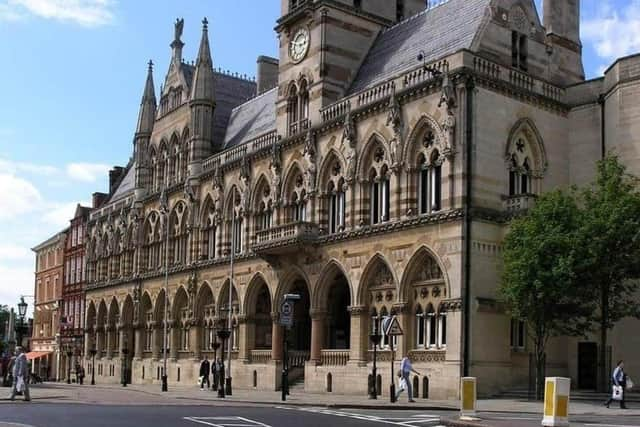

“These figures reflect only one channel used by members when carrying out their work, where members have contacted the council about issues through the central members enquiries process.
“The data does not include the multiple issues members raise on behalf of their residents directly with officers or cabinet members, nor does it reflect anything reported by members directly through other processes such as the council’s online 'Report It' function for issues around environmental and street scene services, highways and waste collections etc. It’s important therefore to not consider this data in isolation as it potentially misrepresents the overall efforts of members to represent their residents, businesses and communities.”
Local councillors are elected to represent residents in their ward and help decide how the council delivers services. They handle casework, attend meetings, scrutinise decisions, and engage directly with the public through surgeries, phone calls, and community events.
Councillors receive an annual allowance of around £16,000. They are expected to attend every meeting, but can attend just one meeting every six months and still receive the £16,000.
In addition to the basic allowance of around £16,000, councillors in senior roles receive extra payments, including £40,100 for the Leader of the Council, £28,000 for the Deputy Leader, and £24,000 for Cabinet Members, rising to £26,600 for the children’s services lead. Chairs of key committees – including Strategic Planning, Licensing, Audit, Overview and Scrutiny, and Standards – receive an additional £16,000.
Take a look at the figures below.
Most to least active councillors for member enquiries submitted
Independent Julie Davenport (Far Cotton, Delapre and Briar Hill) – 589
Reform Mark Arnull (Kingsthorpe North) – 409
Reform Charlie Hastie (Woodford and Weedon) – 220
Conservative Pinder Chauhan (Hunsbury) – 162
Reform Richard Butler (Brackley) – 162
Reform Laura Couse (Nene Valley) – 140
Reform Nigel Stansfield (Parklands) – 132
Independent Ian McCord (Deanshanger and Paulerspury) – 119
Labour Sally Keeble (Dallington Spencer) – 115
Labour Rufia Ashraf (Dallington Spencer) – 111
Reform Mark Deakes (Billing) – 107
Reform Ronald Firman (Hunsbury) – 103
Lib Dem Andrew Simpson (Braunston and Crick) – 100
Conservative Daniel Lister (Long Buckby) – 100
Reform Scott Packer (Talavera) – 100
Reform John East (Dallington Spencer) – 95
Conservative Stephen Clarke (Cogenhoe and The Houghtons) – 88
Reform Hayley Adkins (Duston) – 85
Independent (formerly Reform) Joanne Blythe (Headlands) – 85
Reform John Slope (Moulton) – 81
Reform Adrian Cartwright (Headlands) – 74
Lib Dem Christine Ware (Naseby) – 74
Lib Dem Farzana Aldridge (Kingsley and Semilong) – 61
Labour Enam Haque (Castle) – 57
Reform Silas Hays (Billing) – 56
Independent (formerly Reform) Kathryn Shaw (Upton) – 55
Lib Dem Rosie Humphreys (Braunston and Crick) – 55
Conservative Fiona Cole (Hackleton and Roade) – 54
Labour Bob Purser (Abington and Phippsville) – 53
Conservative Phil Bignell (Campion) – 52
Reform Vincent Clive (Duston) – 52
Reform David Gaskell (Kingsthorpe South) – 50
Reform Susan Gaskell (Moulton) – 42
Lib Dem David Tarbun (Towcester) – 41
Labour Zoe Smith (Abington and Phippsville) – 39
Reform Richard Pipes (Daventry North West) – 38
Labour Keith Holland-Delamere (Blackthorn and Rectory Farm) – 37
Lib Dem Jonathan Harris (Brixworth) – 36
Reform Alexander McMurtry (Daventry South) – 31
Conservative Cecile Irving-Swift (Rural North East) – 30
Conservative Fiona Baker (Brackley) – 29
Reform Caroline Phillips (Kingsthorpe South) – 27
Conservative Alison Eastwood (Rural South Northamptonshire) – 26
Conservative Charles Manners (Rural South Northamptonshire) – 25
Reform Kamala Guliyeva (Daventry South) – 24
Lib Dem Stewart Tolley (Towcester) – 22
Conservative Peter Matten (Daventry North East) – 21
Reform Peter York (Moulton) – 21
Independent (formerly Reform) Adam Smith (Unknown ward) – 19
Reform James Petter (Far Cotton, Delapre and Briar Hill) – 19
Conservative Rosie Herring (Middleton Cheney) – 19
Reform Adrian Little (Towcester) – 18
Reform Anthony Lock (Daventry South) – 18
Reform Debra King (Campion) – 17
Reform Michael Stratton (Upton) – 17
Conservative David Smith (Rural South Northamptonshire) – 16
Reform Glenn Butcher (Hunsbury) – 13
Reform Trefor Hughes (Nene Valley) – 13
Reform Cameron Emery (Headlands) – 11
Labour Fartun Ismail (Castle) – 11
Reform Anthony Owens (Far Cotton, Delapre and Briar Hill) – 10
Conservative Stephen Hibbert (Weston Favell and Abington Vale) – 10
Reform Thomas Manning (Talavera) – 10
Reform Nigel Berrill (Kingsthorpe North) – 8
Conservative Rupert Frost (Woodford and Weedon) – 8
Conservative Andrew Kilbride (Weston Favell and Abington Vale) – 7
Reform Craig Morris (Nene Valley) – 7
Reform Daniel Rainbird (Kingsthorpe North) – 7
Conservative Charles Morton (Long Buckby) – 5
Reform Nicholas Humphries (Kingsley and Semilong) – 4
Reform Ivan Dabbs (Deanshanger and Paulerspury) – 1
Reform Jasmine Rainbird (Duston) – 1
Labour Muna Cali (Castle) – 1
Leader of the council, Reform councillor Mark Arnull said: “This FOI and the data reported is by no means an accurate reflection of the good work councillors from all parties do for their respective wards. I can't speak for opposition parties, but I can say with confidence that I am incredibly proud that majority of the Reform UK group at West Northants, who are out an about in their wards, working hard for and with residents, to make the community a better place. It's therefore no surprise to see some members in shared wards having a larger number of email enquiries than another."
Reacting to coming out on top, Independent councillor Julie Davenport said: “Members' enquiries is one of the main ways councillors get problems resolved for residents. Every enquiry represents someone who has contacted me for help, and I make sure their issue is pursued with the council.
“If residents take the time to raise a concern, they deserve a councillor who will act on it. So, my figure simply reflects the amount of casework coming from residents and my commitment to making sure their voices are heard.
“Councillors should be accountable to residents for the work they do, and figures like this should be public. Transparency helps residents see how their councillors are representing them.”
Labour leader Sally Keeble said: “Being a councillor is about much more than sending emails into members inquiries. It's also about being out in the community, meeting local groups, listening to people, giving them time to talk, and checking on the state of the place.
“There's a shedload of reading to do, working out what the policies and recommendations mean for our constituents and following up on them.
“So yes, we have to take note of the figures in this FOI, and congratulations to Cllr Julie Davenport for being top of the list. However, members of the Labour Group are active in a wide range of settings. For example, Cllr Cali runs youth activities in her ward, Cllr Ashraf runs a women's group in hers, and Cllr Holland-Delamere has a huge and continuing voluntary sector involvement. They make a massive contribution in areas where the council has completely failed.
“And if the council repaired potholes and faulty housing and removed all the fly-tipping on time, councillor inquiries would dramatically decrease.”
Conservative leader Daniel Lister said: “Meeting attendance and formal enquiries submitted are two very narrow measures of what a councillor actually does. They capture process, not outcomes.
“Effective representation happens in the community as much as in the council chamber. Conversations with residents, engagement with parish councils, attending local events, and working to deliver real results for the people who elected you are all entirely invisible in data like this.
“Member enquiries in particular reflect many different things: the nature of a ward, the needs of its residents, and the way individual councillors choose to work. A high number does not automatically mean better service, and a lower number does not mean less commitment. What matters is whether residents get results.
“Transparency and accountability are important, and scrutiny of how councillors spend their time is welcome. The right question is not how many boxes were ticked, but whether the people of West Northamptonshire are better served as a result of the work done on their behalf.”
Lib Dem leader Jonathan Harris said: “Attendance is an extremely important measure. When you are elected as a local councillor, as well as representing your residents within your ward, you have a range of other duties, which for most includes taking part in formal meetings and committees. The role is about engaging with the wider decision-making or scrutiny processes.
The volume of member enquiries is an extremely blunt instrument in terms of measuring effectiveness. It takes no account of the work that councillors may be doing within their wards. Cabinet members will often receive queries and questions directly from all over the West Northants area, and simply forwarding emails to member enquiries isn't a measure of actively taking on casework.
Some queries from the public can often be dealt with without the need for a member enquiry, either based on experience and/or knowledge or by direct interaction with officers, so, as said, it is purely an indicator rather than a specific measure.”