
Political Opinion: The Diary of an MP – Completing the Armed Forces Parliamentary Scheme
Monday 28th July saw Mike Reader, Member of Parliament for Northampton South, complete a year’s commitment to the Armed Forces Parliamentary Scheme.
Over his first year as an MP, Mike spent 36 days with armed forces personnel across the UK and overseas. He heard firsthand about the challenges they face and learnt more about how they’re protecting Britain and providing humanitarian and peacekeeping support globally. Hear about Mike’s experiences in this fortnight’s Diary of an MP.
The first few weeks in Parliament are a blur for any new MP. Learning the protocols, finding your way around the Palace of Westminster and planning your maiden speech. But in my first couple of weeks, I was also introduced to the Armed Forces Parliamentary Scheme by my good friend Tan Dhesi, MP for Slough, who is now the chair of the Defence Select Committee. “Mike you’ve got to do the AFPS,” said Tan. “And make sure you do the Navy first, it’s run by an amazing Commander called Susie Moran and it’ll open your eyes to the threats we face as a nation and the realities of serving in the forces in the 21st century.”
On Tan’s recommendation, I joined the Armed Forces Parliamentary Scheme in July 2024. I joined the Navy programme and committed to spend at least 15 days of my first year in Parliament meeting navy personnel and hearing their stories, concerns and views. In the end, I completed 36 days on the scheme, with plenty of visits to Portsmouth and the West Country, as well as Scotland, the Falkland Islands, Bahrain and Cyprus.
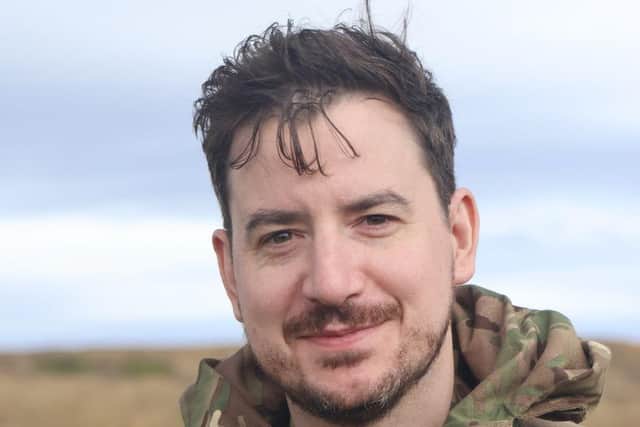

My year’s commitment started with a tri-service event at the Defence Academy in Shrivenham. Over three days we were briefed on the different services, MOD and military structures and organisations, and we had an opportunity to meet young officers and observe their training. What I found most impressive was the level of ‘soft power’ demonstrated at Shrivenham. As well as British soldiers training there, personnel from over 40 other countries had joined them to learn about British military excellence and experience the best training in the world. It showed me how important the training and development side of our military capability is, helping our allies to strengthen their own resilience without the UK needing to send troops into harm's way.
From Shrivenham we moved onto visits to Lympstone, the training ground for Royal Marines Commandos; BRNC Dartmouth, where Naval Officers first do their training; HMNB Clyde, the home of the UK’s nuclear deterrent; HMS Raleigh, the advanced training centre in Cornwall and a few trips to Portsmouth and Naval HQ, including a tour of Britain’s flagship carrier, the HMS Prince of Wales. My overseas visits covered the continuous military presence protecting and supporting the Falklands, the naval protection for British shipping in Bahrain, and the bases we have in Cyprus, supporting humanitarian and war-fighting operations in North Africa, the Middle East and Southern and Eastern Europe.
Most trips took more than a day, so alongside meeting service personnel to hear their experiences, and observing the training and preparations made for war and humanitarian support, I spent many nights in single uncomfortable beds, eating the same food as service personnel, experiencing how they live day by day. I have to say, whilst standards are improving, we have a long way to go. The Government’s multi-billion-pound commitment to upgrading living facilities is welcome, but it’ll take time for that commitment to turn into bricks and mortar on the ground. In the meantime, we still have soldiers living with intermittent hot water, leaky roofs and, in the case of overseas bases, no air condition with temperatures rising over 40°C.
My year committed to the programme has shown me the realities of serving in our modern-day armed forces. In many regions, there is a much stronger focus on humanitarian and peacekeeping support than I expected, balanced with tackling a very clear threat at home from Russia. The UK is the western flank of NATO in Europe, we are directly exposed to Russian aggression from the Atlantic, and we are seeing more frequent incursions and incidents concerning Russian ships, submarines and alleged interference with undersea cables reported in the press than ever before.
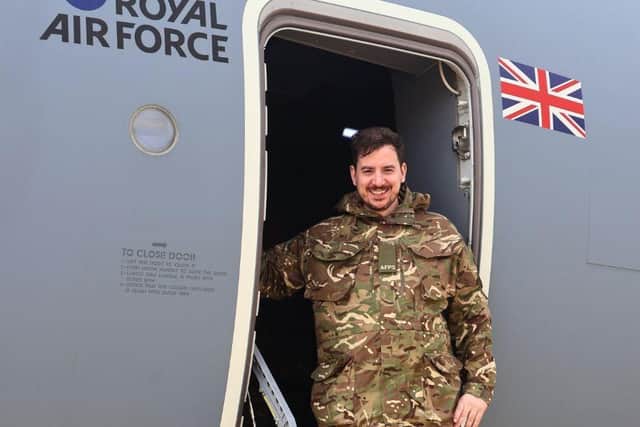
It was already clear to me that we must support our armed forces in all they do to keep us safe. But it’s even more clear to me now that we must make sure those who make the ultimate sacrifice for us are supported with the best equipment, training and facilities. The likelihood that we will see Britain go to war in our lifetimes is increasing. The threat from Russia to the UK, and the unforeseen insurgent threats that could be created as the climate crisis and global instability spawn new wars and adversaries, mean we must remain on a strong footing, ready to respond and protect the United Kingdom and support our allies.
I am proud to have completed the Armed Forces Parliamentary Scheme, and I look forward to joining another service to do it all again, should I get the opportunity.