
Political opinion - Healthcare in Northamptonshire: A Crisis We Must Address.
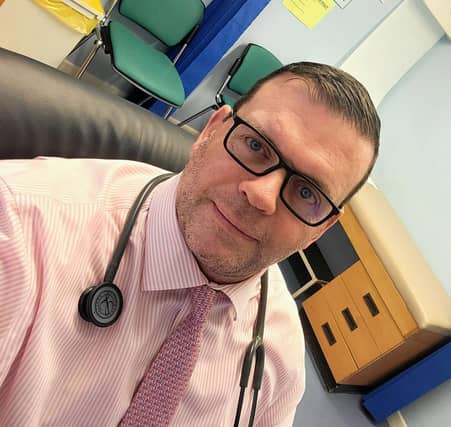

My concern about the declining capacity of healthcare services especially here in Northamptonshire, isn’t theoretical. It’s grounded in what I see every day as a paramedic working in a GP surgery, and what I hear from patients, colleagues and families across our county.
Today, it was reported that since the Labour government came into office, an average of one GP surgery has closed every week across England. In just 18 months, 81 GP practices have shut their doors, leaving patients to register elsewhere and piling fresh strain on the remaining surgeries.
This should be a wake-up call for every healthcare planner and politician: capacity in primary care is shrinking at the very moment when demand is rising. As people live longer with more complex health needs, GP services are facing a squeeze fewer surgeries, heavier workloads, longer waits. Research from national health bodies shows the number of GP practices in England has dropped dramatically over the past decade. Between 2018 and 2025, more than 1,000 practices were lost, leaving tens of millions of patients further from care, while average patient lists per GP have grown.
Here in Northamptonshire, we now have fewer GP surgeries than we did ten years ago, mirroring the national picture of contraction and closures. While some practices merge rather than shut completely, the effect is the same: reduced choice for patients, longer travel distances for appointments, and a system under unsustainable pressure.
As a clinician, this worries me profoundly. A GP surgery isn’t just a building it’s the first line of defence in preventing illness, managing long-term conditions and avoiding unnecessary hospital attendances. When people can’t see a GP, too many end up in overcrowded emergency departments or delayed in their care.
As a councillor, I see the community cost residents unable to book timely appointments, vulnerable people struggling to get basic assessments, and local practices stretched beyond capacity.
And as a parent, I worry about what kind of healthcare future we are leaving for the next generation.
My worry deepened today when I spoke with a newly qualified paramedic someone who has successfully completed intensive training, yet has been unable to secure employment with an ambulance service. National professional bodies have highlighted this anomaly in today’s NHS workforce: many newly qualified paramedics are finding it extremely difficult to get frontline roles due to recruitment freezes and funding limitations. Recent estimates suggest up to 40 % of newly qualified paramedics could be without a job in the coming year despite urgent service needs.
This is not just a workforce statistic, it’s a looming safety concern. Meanwhile, ambulance services are reporting falling staffing numbers alongside growing demand for urgent care.
How can the Government allow this to happen? How can we train clinicians, bring them through rigorous education and accredit them, yet then fail to provide them with the opportunities to practise and help patients when they are needed most?
At a time when people ring 999 for emergencies and may face long waits because ambulances are unavailable, or when GP appointments are months away, we should be alarmed.
Healthcare must be the number one concern of every government. Our health service’s capacity in GP access, emergency response and community care is not an abstract budget line. It is people’s lives, families’ futures and every resident’s right to timely, reliable medical care.
If we do not act decisively to restore and expand capacity across the NHS, particularly in primary care, ambulance staffing, community services and workforce pathways, the crisis we see developing will only deepen.
It’s time to put people’s health first, before waiting lists grow longer, before clinics close, and before another clinician who wants to help is told there’s no job for them.