
Lyme Disease symptoms: what a tick bite looks like as public warned to stay vigilant after cases soar

There were over 1,500 cases of Lyme disease in just one year 🚨
- Latest data from UKHSA shows there were 1,581 cases of Lyme disease in 2024.
- Lyme disease is a bacterial infection spread through the bite of an infected tick.
- People are being warned to be vigilant and protect themselves from tick bites.
The public has been warned to remain vigilant and protect themselves against tick bites this summer after the latest annual data revealed there were over 1,500 cases of Lyme disease in just one year.
There were 1,581 laboratory-confirmed cases of Lyme disease reported in 2024, according to the latest annual data from the UK Health and Security Agency (UKHSA).
Those living in the South West, South East, and London regions report the highest numbers.
Whilst case numbers have fallen by 5.2% in 2024 compared to 2023, the number of confirmed cases is likely an underestimate.
Lyme disease is a bacterial infection that is spread to humans after they are bitten by infected ticks. It’s important to seek treatment as soon as possible if you start to develop symptoms of Lyme disease, which is why the UKHSA is urging people to check for ticks on all parts of the body soon after spending time outdoors this summer.
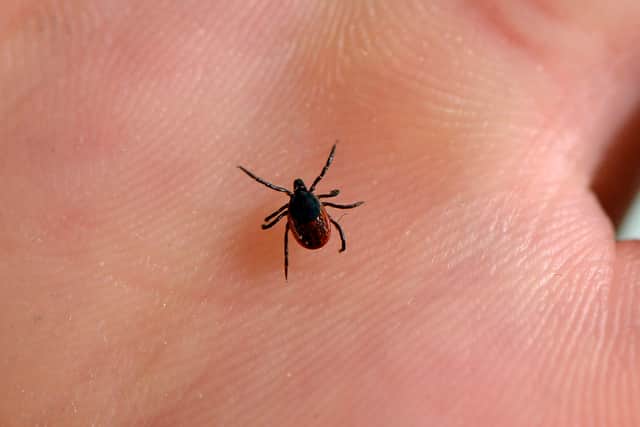

Christina Petridou, Consultant Microbiologist at UKHSA, said: “It’s really important that people continue to be tick aware this summer to protect themselves against Lyme disease.
“The disease is usually acquired when spending time outdoors in green spaces, which people do more of in the summer months. After spending time in nature, people should take precautions such as checking for ticks and promptly and safely removing them, which will reduce the chances of infection.”
“While not all ticks carry the bacteria that cause Lyme disease and not all bites will result in human infection, it’s still important to check for ticks when you return from outdoor activities.
“If you notice any symptoms like a spreading circular rash, flu-like symptoms, nerve pain or a droop on one or both sides of the face within a few weeks of being bitten by a tick, contact your GP or dial NHS 111.”
What is Lyme disease?
Lyme disease is a bacterial infection that can be spread when humans are bitten by an infected tick. Not all ticks carry Lyme disease, and not everyone who is bitten by an infected tick will develop Lyme disease.
What are the symptoms of Lyme disease?
The most common symptoms of Lyme disease are a spreading bullseye rash at the location of the tick bite.
This rash develops between three to 30 days after being bitten, but does not appear in every case. Other symptoms can include fever, headache, and fatigue, facial droop, nerve pain, and numbness or tingling in the hands or feet.
If you notice any of these symptoms after a tick bite, make an urgent appointment with your GP as Lyme disease can be treated with antibiotics.
How can you protect yourself against tick bites?
Ticks live in green spaces, so to prevent yourself from getting bitten, when out walking, stay on the path and avoid brushing up against vegetation. You can also wear clothes that cover your skin, making it harder for ticks to bite you, or use insect repellent such as DEET.
If you have been spending time outdoors, always remember to check yourself and your pets for possible ticks or tick bites.
How to remove ticks?
If you discover that you have a tick, you must remove it as soon as possible. This can be done with a tick removal tool or fine-tipped tweezers, which are very narrow and pointed at the tip.
You need to make sure that the tick isn’t squashed during removal. To do this, grasp the tick as close to the skin as possible, slowly pulling upwards, taking care not to squeeze or crush the tick. After removing, clean the bite with antiseptic or soap and water.
You can find out more about how to protect yourself from tick bites and the signs and symptoms of Lyme Disease at NHS.UK.