
How to protect your dogs from getting a tick bite and safely remove ticks - according to pet experts

One in 20 cases of tick-borne diseases in dogs is fatal 🐶
- Cases of Lyme disease are rising in the UK.
- Lyme disease is a bacterial infection spread through the bite of an infected tick.
- People are being warned to be vigilant and protect both themselves and their dogs from tick bites.
Cases of Lyme disease have been rising in the UK, with the public being warned to be more vigilant.
There were 1,581 laboratory-confirmed cases of Lyme disease reported in 2024, according to the latest annual data from the UK Health and Security Agency (UKHSA).
Humans aren’t the only ones at risk of becoming unwell if they get bitten by a tick, with one in 20 cases of tick-borne diseases in dogs being fatal.
To help owners stay prepared, Annie-Mae Levy, professional dog trainer at Woofz, has shared three tips on how to protect your dog from ticks - and what to do if you find one.
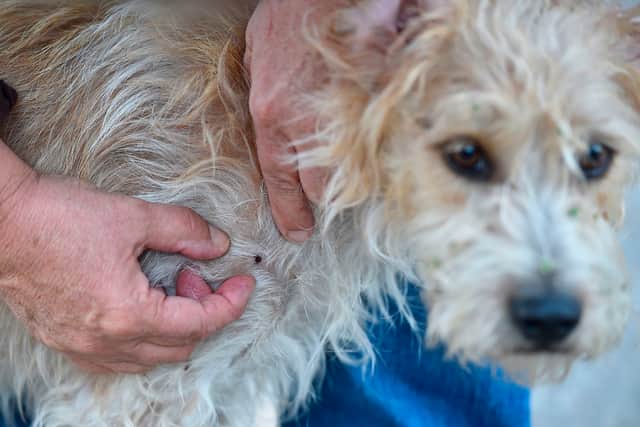

How to protect your dog from ticks
Tick bites occur in long grass, making it easy for our dogs to be potentially exposed when they go for their walk.
Annie-Mae said: “Ticks carry multiple dangerous diseases, with Lyme disease being the most common. Other threats include ehrlichiosis and babesiosis. These illnesses can cause long-term joint pain, neurological issues, and kidney damage. That’s why it’s vital for dog owners to take preventive measures and act quickly if they spot a tick”.
Here are three ways to protect your dog from tick bites this summer
Use year-round tick preventatives
Tick season isn’t just in summer; they can survive all year-round, which is why vets recommend that you keep your dog on a preventative regimen throughout the year.
You can try products like spot-on treatments, chewable medications, and long-lasting collars. Some kill ticks on contact, while others prevent ticks from attaching.
Do daily tick checks after outdoor time
Even with prevention, ticks can still latch on; that’s why physical checks are your second line of defence.
After every walk, especially in wooded areas or tall grass, run your hands along your dog’s body slowly, feeling for small bumps.
Focus on spots that ticks love to hide, such as under the collar, behind the ears, around the tail, and between toes. If your dog has a thick or double coat, then use a fine-tooth comb or a flea/tick comb.
Make your garden less tick-friendly
If your dog spends time in the garden, make sure it’s less tick-friendly.
Ticks live in overgrown grass, leaves, and shaded brush, so cut your grass and trim overhanging plants regularly. If your garden borders woods or tall vegetation, create a buffer zone using mulch or gravel.
How to safely remove a tick from your dog
No matter how much you try to prevent a tick from biting your dog, it can happen. These are the steps to safely remove a tick from your dog.
Prepare your tools
Use clean, fine-tipped tweezers or a tick removal hook, making sure they’re sterile.
Remove the tick
To remove, grasp the tick as close to the skin as possible. Pull upward slowly and steadily without twisting to prevent leaving parts of the tick behind.
Dispose of the tick
Place the tick in a sealed container in case your vet needs to test it.
Clean the bite area
Wash the bite with soap and water, or disinfect it with rubbing alcohol. Be sure to clean your hands and tweezers as well.
Monitor the bite site
Keep an eye on the bite for irritation or swelling over the next few days.
Watch for symptoms
Watch for any symptoms of tick-borne illness such as fever, limping, loss of appetite, vomiting, or unusual behaviour. Ticks can transmit harmful diseases to dogs, making it crucial to remove them promptly and carefully. If you notice anything concerning, contact your vet.
You can find out more information on how to protect your dog from tick bites at the RSPCA.