
Northampton General Hospital warns public NOT to visit site if they have these FOUR symptoms – here’s what to do instead

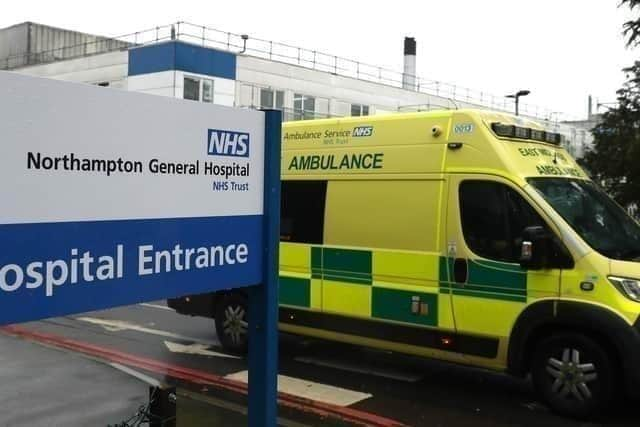
Northampton General Hospital is urging the public not to attend the site if they have certain symptoms that are currently ‘spreading across the community’.
According to health bosses at NGH, flu-like symptoms, diarrhoea and vomiting, and winter bugs continue to spread across the area.
The University Hospitals of Northamptonshire’s Chief Nurse, Julie Hogg, has issued a warning to the public to not come into the hospital if you have any of those symptoms.
Ms Hogg said: “Our hospitals are very busy at the moment and we hope local people will support our teams by not coming into the hospital environment with symptoms of flu or diarrhoea and vomiting that can be spread between patients and staff.

“In most cases flu and norovirus can be successfully treated at home by resting, drinking lots of fluids and taking paracetamol.
“If you are in doubt about what to do good advice on what to do can be received from your pharmacist, GP, or NHS 111.”
A hospital spokeswoman added: “To prevent yourself and loved ones getting flu, you can be vaccinated against it through a pharmacy that offers vaccination (if you are 18 or over) or through your GP.
“Vaccination is especially important for pregnant women, those over 65, people with long-term health conditions, weakened immune systems or who care for an older or disabled person.
“You can’t be vaccinated for the diarrhoea and vomiting bug norovirus but you catch it through close contact with someone with norovirus, touching surfaces or objects that have the virus on them, then touching your mouth, eating food that's been prepared or handled by someone with norovirus. Washing your hands frequently with soap and water is the best way to stop it spreading.”
The number of people with flu in hospital in England has quadrupled over the past month and is rising "at a very concerning rate", NHS chiefs have warned, according to the BBC.
Latest data shows there were 5,000 patients with the virus being treated in hospital at the end of last week - almost 3.5 times higher than the same week in 2023, although not as high as in 2022, according to the BBC.