
Political opinion: The dental care crisis facing Northamptonshire
It was a simple dental cavity that brought home to me the scale of a growing crisis affecting residents across Northamptonshire.
Like many people today, I recently discovered that I had a small, but painful cavity something that, historically, would have been treated swiftly and affordably under the NHS. Yet when I attempted to book an appointment through NHS dental services, I discovered there was effectively no access left. After repeated calls and searches, I was informed that no local NHS practice could take me on. I was left with no option but to seek care at a private dental practice.
This experience from routine dental decay to protracted search reflects what is increasingly becoming a normal story here: access to NHS dentistry has diminished to the point that for many, it may as well not exist. According to the most recent official data, only around 40 per cent of adults in England had seen an NHS dentist in the last two years, down significantly from over 50 per cent before the pandemic, a trend acknowledged by independent health researchers and parliamentary reports. Many adults reported they did not attend dental check-ups because they could not find a dentist or because they simply could not afford the associated charges.
After finally securing a private appointment to treat what turned out to be only a few mild cavities, I was presented with a bill approaching £1,200. This cost effectively means paying around £650 per hour for what would once have been straightforward dental repair under the NHS, not a figure most local households can absorb without significant financial strain. To put this in perspective, it is well documented that over one-third of adults report dental treatment decisions influenced by cost, and around 40 per cent cite difficulty finding a dentist at all.
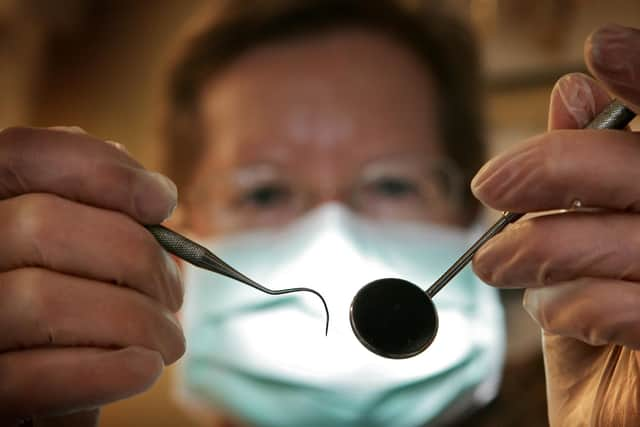

Central to this crisis is a systemic problem with NHS dental contracts and workforce distribution. While the number of dentists offering some NHS work has risen slightly over the last decade, the rate has not kept pace with population growth and demand, and many practices choose to limit or abandon NHS treatment entirely due to the unfavourable contract terms and insufficient reimbursement. This has resulted in what some health commentators describe as “dental deserts,” areas where residents simply have no accessible NHS dental services.
The consequences for population health are far more profound than simply inconvenience or expense. A substantial and growing body of evidence links oral health with overall physical wellbeing. National surveys show that over 40 per cent of adults have obvious signs of tooth decay, and there is compelling research showing that untreated dental disease can contribute to systemic issues such as cardiovascular risk, inflammatory responses, and poor metabolic control. Clinical studies, including at Guy’s and St Thomas’ NHS Foundation Trust, have demonstrated that treating oral infections can have measurable benefits on blood sugar regulation and inflammatory markers, highlighting how interconnected oral health and chronic disease outcomes truly are.
In my work as a frontline paramedic practitioner in a GP surgery, I see first-hand how lack of access to routine dental care is spilling into general health services. Patients present repeatedly not only with dental pain, but with related complications such as infections, abscesses, and established gum disease, conditions that, if caught early, could have been prevented or managed more cheaply and effectively. Unable to register with a local NHS dentist, many patients defer care until the pain intensifies or cost pressures force them to resort to emergency services.
Residents of Northamptonshire are particularly affected. Local reporting identifies our county among those with some of the lowest proportions of adults seen by a dentist within the recommended period, a problem that predates but has been exacerbated by the pandemic and current workforce shortfalls. The knock-on effect is clear: poorer oral health, greater unmet need, rising personal costs and avoidable pressure on other parts of the health service.
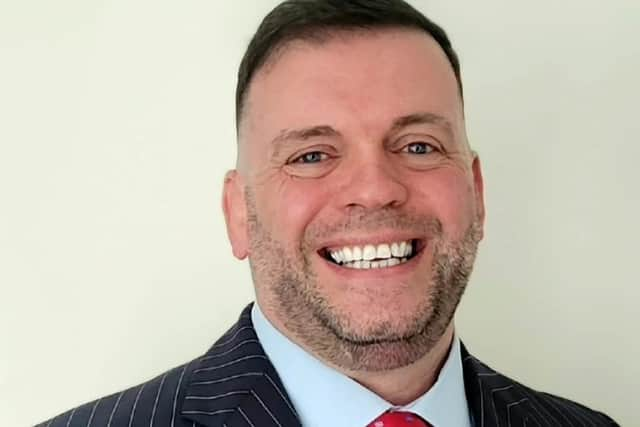
This is not just a national problem, it is a local health crisis with very real impacts on quality of life, household budgets, and long-term health outcomes in our communities. As a councillor for West Northamptonshire Council (WNC), I will be highlighting these issues in council discussions, seeking to amplify the voices of residents struggling to access essential dental care. While the structuring of NHS dental contracts and funding are determined nationally, the impact falls squarely on local people here at home.
In raising this matter at WNC and with regional health partners, my aim is to:
Document and quantify local dental access barriers through systematic collection of resident experiences and data.
Engage with NHS England and Integrated Care Systems to identify where workforce planning and contractual reform can improve access locally.
Support local initiatives that promote preventive oral health education and integrate oral health with wider health services.
Advocate for urgent system reform that ensures everyone has the right to affordable, accessible dental care, not just those who can afford it privately.
The evidence is clear: good oral hygiene and access to dental care are key determinants of long-term health, not luxuries that some can pay for and others cannot. Without urgent action, many more residents in Northamptonshire will continue to face unnecessary pain, avoidable costs, and worsening health outcomes, a reality that must change.